
Protecting Environment and Wildlife
The environment is the place where human beings and other creatures live; it is the natural world that surrounds all living organisms. It provides the oxygen we breath, the water we drink, the food which we eat and the place where the creatures live. In short, it's our home.
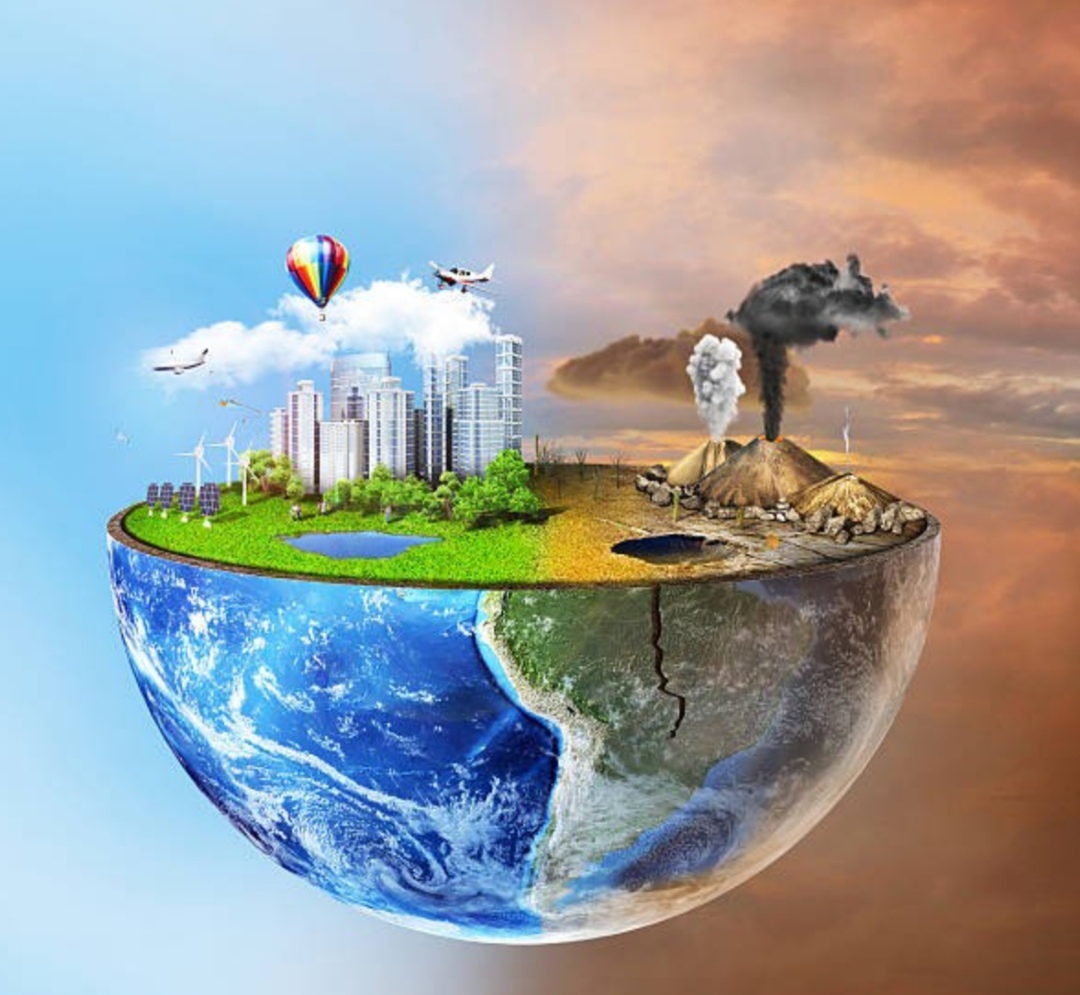
Nowadays atmosphere, water and the whole environment is becoming heavily polluted. If we ask why? Because of people's careless attitudes, some people or tourists throw their trash such as cans, leftovers into the water. Even knowing how it's dangerous for aquatic animals which lives in water whether ocean, river or lake. As a result, aquatic ecosystem increasingly contaminated due to human activities. Besides, the increasing the number of plants like nuclear plants, thrown plastics on the ground, excessive using of public transportation leads to climate change and air pollution. Thus, we need to protect our home, where we live, which we call environment.
What happens if we do not protect our environment? If we don't protect the ecosystem, we can face severe consequences such as climate change, air and water pollution, loss of biodiversity, deforestation and negative impacts on human health and well-being. These impacts could be devastating for our ecosystem, economies and future generations.
Let's talk about endangered animals. They play a crucial role in maintaining biodiversity and ecosystem balance. They contribute to ecological process such as seed dispersal. Furthermore, preserving endangered species provide opportunities for ecotourism, education and scientific researches. Protecting these species is essential for the overall health and sustainability of the planet. What we can do to protect them?
1. Donate to animal conservation projects, even small contributions can make a important difference.
2. Stop hunting animals illegally. Shooting, trapping threatened or endangered creatures into captivity is illegal and can lead to their extinction.
3. Avoid keeping endangered animals as pets. The pet trade is one of the biggest threats to wildlife.
4. Dispose of trash responsibly. Plastics in oceans and waterways currently affect aquatic ecosystems.
5. Drive carefully in wildlife areas. Keep an eye out for animals crossing roads to prevent accidents.
If endangered animals are not protected, they may face an increased risk of extinction. As the result can reduce biodiversity, lead to adverse impacts on human population, including loss of resources and ecosystem services. To sum up, preserving the environment and protecting endangered animals is not just an option, it is a necessity. Every individual must take responsibility for the well–being of our planet and the survival of all species.

Warning: Trying to access array offset on null in C:\laragon\www\moderndiller\public_html\page.php on line 170
Yorumlar